Are you a student in Virginia looking to pursue higher education but worried about the financial burden? Look no further! Scholarships can be a game-changer, helping you alleviate the costs and make your dreams a reality. In this comprehensive guide, we will explore the various scholarships available in Virginia and provide you with valuable insights to navigate the application process. Whether you are an aspiring engineer, an artistic prodigy, or a future healthcare professional, there’s a scholarship out there waiting for you. Let’s dive in and discover the incredible opportunities that Virginia has to offer!
Understanding the Importance of Scholarships in Virginia
Scholarships serve as a crucial lifeline for students in Virginia, helping to make higher education more accessible and affordable. The financial benefits they provide, coupled with the opportunities they create, make scholarships an essential component of a student’s educational journey.





Financial Benefits
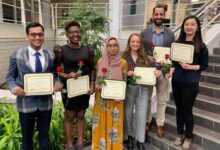
One of the primary advantages of scholarships is the financial relief they offer. Pursuing higher education can be costly, with tuition fees, textbooks, and living expenses adding up quickly. Scholarships provide students with financial support, allowing them to focus on their studies without the burden of excessive debt. By covering a portion or even the entirety of educational expenses, scholarships make it possible for students to attend college or university without worrying about the financial strain.
Opportunities for All
Scholarships in Virginia cater to a diverse range of students, ensuring that opportunities are accessible to all. Whether you are an academically gifted student, a talented athlete, an aspiring artist, or a dedicated community servant, there are scholarships available to help you pursue your educational goals. Scholarships recognize and reward individual achievements, talents, and passions, empowering students to reach their full potential regardless of their background or financial circumstances.
Reducing Student Debt
One of the most significant advantages of scholarships is their potential to reduce student debt. Unlike loans that require repayment with interest, scholarships provide funds that do not need to be paid back. By minimizing the need for student loans, scholarships can alleviate the burden of debt after graduation, allowing students to start their careers on a more solid financial footing. This freedom from excessive debt enables graduates to make important life choices without financial constraints, such as pursuing advanced degrees, buying a home, or starting a family.
Encouraging Academic Excellence
Scholarships also serve as a powerful motivation for academic excellence. Many scholarships are merit-based, rewarding students who demonstrate exceptional academic achievements, leadership skills, or other notable accomplishments. By recognizing and encouraging excellence, scholarships inspire students to strive for their best and excel in their studies. This drive for academic success not only benefits individual students but also contributes to the overall growth and development of Virginia’s educational landscape.
Overall, scholarships play a vital role in shaping the educational landscape in Virginia. By providing financial support, equal opportunities, and motivation for academic excellence, scholarships empower students to pursue their dreams and contribute to society in meaningful ways.
Types of Scholarships Available in Virginia
Virginia offers a diverse range of scholarships, each designed to support students with varying academic interests, financial needs, and backgrounds. Understanding the different types of scholarships available can help you identify the opportunities that best align with your goals and circumstances.
Merit-Based Scholarships
Merit-based scholarships are awarded to students based on their accomplishments and achievements. These scholarships recognize outstanding academic performance, leadership abilities, community involvement, or other notable talents. Merit-based scholarships often have specific eligibility criteria and application requirements, such as maintaining a certain GPA or submitting a portfolio of work. These scholarships provide recognition for hard work and dedication and can significantly offset the cost of education.
Need-Based Scholarships
Need-based scholarships are designed for students with demonstrated financial need. These scholarships take into account factors such as household income, family size, and other financial obligations. Need-based scholarships aim to bridge the gap between the cost of education and a student’s ability to pay, ensuring that financial limitations do not hinder access to higher education. To apply for need-based scholarships, students typically need to complete the Free Application for Federal Student Aid (FAFSA) or other relevant financial aid applications.
Specialized Scholarships
Virginia offers specialized scholarships tailored to specific fields of study or unique demographics. These scholarships focus on areas such as science, technology, engineering, mathematics (STEM), arts, athletics, or underrepresented communities. Specialized scholarships aim to support students who have a passion or talent in a particular area, providing opportunities to further their education and contribute to their chosen field. Eligibility requirements for specialized scholarships vary, and applicants may need to showcase specific skills, talents, or experiences relevant to the scholarship’s focus.
Institution-Specific Scholarships
Many colleges and universities in Virginia offer institution-specific scholarships to attract and support talented students. These scholarships are typically awarded based on various criteria, such as academic achievements, leadership potential, or extracurricular involvement. Each institution sets its own eligibility requirements and application procedures for their scholarships, so it’s essential to research and understand the offerings of the specific college or university you are interested in.
Community-Based Scholarships
Community-based scholarships are often provided by local organizations, foundations, or businesses within Virginia. These scholarships are designed to support students within a specific geographic area or community. Community-based scholarships can be merit-based or need-based and may have unique requirements, such as volunteering or involvement in community service. Exploring community-based scholarships can be an excellent way to access funding opportunities that are specific to your locality or community.
By familiarizing yourself with the different types of scholarships available in Virginia, you can discover the opportunities that best suit your academic aspirations, financial situation, and personal attributes. The next section will delve deeper into the world of merit-based scholarships, providing insights on how to secure these prestigious awards.
Merit-Based Scholarships: Recognizing Excellence
Merit-based scholarships are prestigious awards that recognize and reward students for their exceptional achievements and abilities. These scholarships are highly competitive and are often based on academic performance, leadership skills, extracurricular involvement, or a combination of these factors. Understanding the criteria and application process for merit-based scholarships can increase your chances of securing these valuable opportunities.
Evaluating Academic Performance
Academic performance is a crucial factor in the selection process for merit-based scholarships. Scholarship committees typically review applicants’ grades, GPA, class rank, and standardized test scores to assess their academic abilities. Maintaining a strong academic record is essential for maximizing your eligibility for merit-based scholarships. Consider challenging yourself with advanced coursework, engaging in extracurricular academic activities, and seeking opportunities to excel in your chosen field of study.
Leadership and Extracurricular Involvement
Merit-based scholarships often value leadership qualities and involvement in extracurricular activities. Scholarship committees look for applicants who have demonstrated leadership skills through positions of responsibility, such as student government, club leadership, or community service initiatives. Active participation in extracurricular activities, such as sports, arts, or volunteering, showcases well-roundedness and a commitment to personal growth. Highlighting your leadership experiences and extracurricular involvements can significantly enhance your scholarship application.
Writing a Compelling Personal Statement
Many merit-based scholarships require applicants to submit a personal statement or essay. This is an opportunity to showcase your unique qualities, aspirations, and experiences. Craft a compelling and authentic essay that reflects your personality, values, and goals. Be sure to highlight any challenges you have overcome, significant achievements, and your passion for your chosen field of study. A well-written personal statement can set you apart from other applicants and leave a lasting impression on the scholarship committee.
Securing Strong Recommendation Letters
Recommendation letters serve as a testament to your character, abilities, and potential. Choose recommenders who can speak to your achievements, skills, and personal qualities. It may be a teacher, mentor, coach, or community leader who has observed your growth and can provide insight into your abilities. Establish strong relationships with these individuals, communicate your goals and aspirations, and kindly request that they write a personalized and compelling recommendation letter on your behalf. A well-written recommendation letter can greatly strengthen your scholarship application.
Researching and Applying for Scholarships
Researching and identifying merit-based scholarships that align with your academic goals is crucial. Utilize scholarship search engines, school guidance counselors, college websites, and local organizations to find scholarship opportunities in Virginia. Pay close attention to the eligibility criteria, application deadlines, and required documents for each scholarship. Prepare a comprehensive application package, ensuring that you meet all the requirements and submit any supporting documents, such as transcripts, test scores, and letters of recommendation, in a timely manner.
By understanding the evaluation criteria, honing your academic and leadership skills, and investing time in crafting a strong scholarship application, you can enhance your chances of securing merit-based scholarships in Virginia. The next section will delve into need-based scholarships and provide insights on how to navigate the application process effectively.
Need-Based Scholarships: Overcoming Financial Barriers
Need-based scholarships are invaluable resources for students who face financial constraints but aspire to pursue higher education. These scholarships are designed to bridge the gap between the cost of education and a student’s ability to pay. Understanding the eligibility requirements and application process for need-based scholarships can help you access the financial support you need to achieve your educational goals.
Completing the FAFSA
The Free Application for Federal Student Aid (FAFSA) is the primary application for need-based scholarships and other forms of financial aid. The FAFSA collects information about your family’s income, assets, and other financial factors to determine your Expected Family Contribution (EFC). Completing the FAFSA accurately and on time is essential to be considered for need-based scholarships, grants, work-study programs, and federal student loans.
Understanding Financial Need Criteria
Need-based scholarships evaluate financial need based on multiple factors, including your EFC, the cost of attending college, and any other available resources. Each scholarship program may have specific guidelines for determining financial need, so it’s essential to review and understand the criteria for each scholarship you are interested in. Financial need may be assessed based on income levels, family size, and other financial obligations.
Seeking Institutional Scholarships
In addition to federal and state need-based scholarships, many colleges and universities in Virginia offer their own institutional scholarships for students with financial need. These scholarships may have different eligibility requirements and application processes, so it’s crucial to research and identify the opportunities provided by your desired institutions. Contact the financial aid office of each college or university you are considering to learn about their specific need-based scholarship programs.
Preparing Required Documentation
When applying for need-based scholarships, you will likely need to provide various documents to support your financial need assessment. These documents may include tax returns, W-2 forms, bank statements, and other financial records. Ensure that you gather all the necessary documentation and submit it with your scholarship application according to the specified deadlines. Missing or incomplete documentation may result in your application being disqualified.
Exploring Local and Community-Based Scholarships
Local organizations, foundations, and businesses in Virginia often offer need-based scholarships to support students within their communities. These scholarships may have specific eligibility requirements and be tailored to local students’ needs. Research local resources, such as community organizations, local businesses, and civic groups, to identify potential need-based scholarship opportunities in your area.
By understanding the FAFSA process, familiarizing yourself with the financial need criteria, and exploring various need-based scholarship opportunities, you can overcome financial barriers and access the support you need to pursue higher education. The next section will delve into specialized scholarships and provide insights on finding and applying for scholarships in specific fields of study.
Specialized Scholarships: Pursuing Passions and Interests
Virginia offers a variety of specialized scholarships tailored to specific fields of study and unique demographics. These scholarships provide opportunities for students to pursue their passions, develop their skills, and contribute to their chosen fields. Understanding the different types of specialized scholarships available and how to find and apply for them can help you secure funding for your educational journey.
STEM Scholarships
STEM (Science, Technology, Engineering, and Mathematics) scholarships are designed for students interested in pursuing careers in these fields. These scholarships support students studying subjects such as engineering, computer science, biology, chemistry, and mathematics. STEM scholarships aim to encourage and invest in future innovators and scientists, providing financial support and resources to help students succeed in these challenging areas of study.
Arts Scholarships
Artistic scholarships are available for students with talents and interests in various creative fields, including visual arts, performing arts, music, dance, and writing. These scholarships support students pursuing degrees in fine arts, graphic design, theater, music performance, creative writing, and other artistic disciplines. Art scholarships not only provide financial assistance but also offer recognition and opportunities for students to showcase their talents and connect with industry professionals.
Athletic Scholarships
Athletic scholarships are awarded to students who excel in sports and demonstrate exceptional athletic abilities. These scholarships can be offered for a wide range of sports, including basketball, soccer, tennis, swimming, track and field, and more. Athletic scholarships provide financial support to student-athletes, allowing them to pursue higher education while continuing to compete in their sport at the collegiate level.
Underrepresented Communities Scholarships
Many specialized scholarships are available to support students from underrepresented communities, including minority groups, first-generation college students, and individuals with disabilities. These scholarships aim to address the disparities in access to education and opportunities. They provide financial aid, mentorship, and support to students who may face unique challenges in pursuing higher education.
Researching Scholarship Opportunities
To find specialized scholarships in Virginia, explore scholarship search engines, college and university websites, and resources specific to your field of interest. Many professional associations, organizations, and foundations offer scholarships related to specific disciplines. Research these opportunities and determine whether you meet the eligibility criteria. Additionally, reach out to your high school guidance counselor, college financial aid offices, and local community organizations for information on specialized scholarships available in your area.
Preparing a Strong Application
When applying for specialized scholarships, be sure to read and understand the specific requirements and criteria for each scholarship. Tailor your application to highlight your experiences, achievements, and goals relevant to your field of interest. Submit any necessary supporting documents, such as portfolios, audition tapes, or writing samples, as requested. Craft a compelling personal statement that showcases your passion, dedication, and future aspirations. Pay attention to deadlines and submit your application materials in a timely manner.
By exploring specialized scholarships, identifying opportunities in your field of interest, and preparing a strong application, you can increase your chances of securing funding that aligns with your passions and goals. The next section will delve into the differences between in-state and out-of-state scholarships, helping you navigate the scholarship landscape based on your residency status.
In-State vs. Out-of-State Scholarships: Understanding the Differences
When exploring scholarship opportunities, it’s important to understand the distinctions between in-state and out-of-state scholarships. These differences can impact your eligibility, the application process, and the financial support available to you. Let’s explore the key factors to consider when navigating the scholarship landscape based on your residency status.
In-State Scholarships
In-state scholarships are typically awarded to students who are legal residents of the state in which the scholarship is offered. These scholarships are often funded by state governments, educational institutions, or local organizations. In-state scholarships may have specific eligibility requirements related to residency, such as living in the state for a certain period of time or graduating from a high school within the state. In-state scholarships are designed to support local students and encourage them to pursue higher education within their home state.
Benefits of In-State Scholarships
In-state scholarships offer several advantages for eligible students. Firstly, they often provide a higher likelihood of obtaining financial support since they prioritize residents of the state. Additionally, in-state scholarships may offer more substantial monetary awards compared to out-of-state scholarships. These scholarships can also provide opportunities for students to connect with local networks, access resources specific to the state, and contribute to the development and growth of their home communities.
Out-of-State Scholarships
Out-of-state scholarships are available to students who are not legal residents of the state in which the scholarship is offered. These scholarships can be provided by educational institutions, private organizations, or even out-of-state government agencies. Out-of-state scholarships are designed to attract talented students from other states, diversifying the student body and enriching the educational experience. These scholarships may have different application processes and eligibility criteria than in-state scholarships.
Benefits of Out-of-State Scholarships
Out-of-state scholarships offer unique benefits for students seeking educational opportunities beyond their home state. These scholarships can provide access to prestigious institutions or specialized programs that may not be available within their state. Out-of-state scholarships also offer the opportunity for students to explore new environments, gain exposure to different cultures, and broaden their perspectives. Additionally, receiving an out-of-state scholarship can be an accomplishment in itself, demonstrating recognition of your abilities and potential beyond your home state.
Considering Residency Requirements
It’s important to carefully review the residency requirements for both in-state and out-of-state scholarships. Some scholarships may offer exceptions or allow non-residents to apply, while others may strictly adhere to residency criteria. If you are considering attending college in a different state, research the scholarship opportunities available to out-of-state students and understand the requirements and limitations associated with each scholarship.
By understanding the differences between in-state and out-of-state scholarships and considering your residency status, you can navigate the scholarship landscape more effectively and identify the opportunities that best suit your educational goals and circumstances. The next section will provide valuable tips for crafting a winning scholarship application to increase your chances of success.
Tips for Crafting a Winning Scholarship Application
Creating a compelling scholarship application is crucial for standing out among a competitive pool of candidates. Here are some valuable tips to help you craft a winning scholarship application that showcases your strengths, experiences, and aspirations.
1. Start Early and Stay Organized
Give yourself ample time to research scholarships, understand their requirements, and collect the necessary documents. Create a schedule or checklist to stay organized and ensure that you submit your applications before the deadlines. Starting early will also give you more time to refine your application materials and seek feedback.
2. Read and Follow Instructions Carefully
Pay close attention to the scholarship application instructions and ensure that you understand every requirement. Follow the guidelines meticulously, including word limits, formatting instructions, and document submission specifications. Adhering to the instructions demonstrates your attention to detail and your ability to follow directions.
3. Tailor Your Application to Each Scholarship
Customize your application materials for each scholarship you apply to. Research the scholarship’s mission, values, and eligibility criteria, and align your application accordingly. Tailor your personal statement, essay, or resume to highlight experiences, achievements, and goals that resonate with the specific scholarship’s focus.
4. Showcase Your Unique Experiences and Achievements
Highlight your unique experiences, achievements, and qualities that make you stand out. Emphasize any leadership roles, community involvement, academic accomplishments, or significant challenges you have overcome. Use specific examples to illustrate your skills, dedication, and potential.
5. Craft a Compelling Personal Statement or Essay
Your personal statement or essay is an opportunity to share your story and convey your passion and aspirations. Be authentic, reflective, and concise in your writing. Clearly articulate your goals, how the scholarship will contribute to your success, and how you plan to make a positive impact in your field or community.
6. Obtain Strong Recommendation Letters
Seek recommendation letters from individuals who know you well, such as teachers, mentors, or community leaders. Request letters from people who can speak to your abilities, character, and potential. Provide them with information about your achievements, goals, and the scholarship you are applying for to help them write personalized and compelling letters of recommendation.
7. Edit and Proofread Carefully
Thoroughly review and edit your application materials before submitting them. Check for grammar and spelling errors, ensure consistency in formatting, and confirm that all required information is included. Consider seeking feedback from trusted individuals, such as teachers or counselors, to ensure that your application is polished and error-free.
8. Submit Your Application on Time
Adhere to the deadlines and submit your application materials before the designated cutoff. Late submissions may not be considered, regardless of the quality of your application. Allow sufficient time for any potential technical difficulties that may arise during the submission process.
By following these tips and investing time and effort into crafting a strong scholarship application, you can increase your chances of standing out among the competition and securing the financial support you need to pursue your educational goals.
Key Deadlines and Application Process
Understanding the key deadlines and application process is crucial when applying for scholarships in Virginia. Being well-informed and organized will ensure that you don’t miss out on any opportunities. Here’s what you need to know:
1. Research Scholarship Deadlines
Start by researching the deadlines for the scholarships you are interested in. Keep a record of each scholarship’s application deadline, as missing it may result in disqualification. Some scholarships have early deadlines, while others have later ones. Create a calendar or spreadsheet to help you stay on top of the various deadlines.
2. Gather Required Documents
Each scholarship may require specific documents as part of the application process. Common documents include transcripts, letters of recommendation, personal statements, and financial aid forms like the FAFSA. Make a checklist of the required documents for each scholarship and gather them well in advance. This will give you ample time to request transcripts, secure recommendation letters, and gather any other necessary materials.
3. Complete the Application Form
Most scholarships will have an online application form that you need to complete. Carefully read through the instructions and provide accurate and detailed information. Double-check your entries for any errors or omissions before submitting the form. It’s also a good idea to save a copy of your completed application for your records.
4. Write a Strong Personal Statement or Essay
Many scholarships require a personal statement or essay as part of the application. Take the time to craft a compelling and well-written piece that showcases your unique qualities, experiences, and aspirations. Tailor your personal statement or essay to each scholarship’s specific requirements and focus. Edit and proofread your writing carefully to ensure clarity and coherence.
5. Submitting Transcripts and Recommendation Letters
Follow the instructions provided by each scholarship regarding transcript and recommendation letter submissions. Some scholarships may require official transcripts, while others may accept unofficial copies. Ensure that your recommenders have enough time to write and submit their letters before the deadline. Consider providing them with a stamped and addressed envelope or clear instructions on submitting electronically if needed.
6. Keep Track of Confirmation Emails
Once you have submitted your scholarship applications, keep track of any confirmation emails or receipts you receive. These serve as proof that you successfully submitted your application. If you don’t receive a confirmation email within a reasonable time frame, reach out to the scholarship provider to ensure that your application was received.
7. Follow Up and Check Application Status
After submitting your applications, periodically check the status of your applications. Some scholarships may provide updates or notifications on their websites or via email. If you have not heard back by the specified notification date, consider reaching out to the scholarship provider to inquire about the status of your application.
By staying organized, adhering to deadlines, and following the application process diligently, you can maximize your chances of securing scholarships in Virginia. The next section will explore various resources that can help you find scholarship opportunities specific to Virginia.
Resources for Finding Scholarships in Virginia
Finding the right scholarships can be a daunting task, but several resources are available to help you discover scholarship opportunities specific to Virginia. Whether you’re a high school student, college student, or returning adult learner, these resources can assist you in finding scholarships that align with your academic pursuits and financial needs.
1. Scholarship Search Engines
Utilize scholarship search engines to streamline your scholarship search process. Websites such as Fastweb, Scholarships.com, and CollegeBoard’s Scholarship Search allow you to create profiles, search for scholarships based on various criteria, and receive personalized scholarship recommendations. These platforms gather comprehensive scholarship databases and provide a user-friendly interface to help you find scholarships that match your qualifications.
2. College and University Financial Aid Offices
Reach out to the financial aid offices of colleges and universities in Virginia that you are interested in attending. These offices have extensive knowledge of both institutional and external scholarships available to students. They can provide information on scholarships specific to the institution, as well as guidance on external scholarships you may be eligible for. Schedule appointments or attend workshops offered by these offices to gain valuable insights and assistance in your search.
3. High School Guidance Counselors
If you are a high school student, consult with your guidance counselor for scholarship opportunities. They often have access to local and national scholarships and can help you navigate the application process. Guidance counselors can also provide advice on crafting strong scholarship applications, obtaining recommendation letters, and meeting deadlines.
4. Local Community Organizations
Explore local community organizations, clubs, and associations in your area. Many of these organizations offer scholarships to support students within the community. Examples include Rotary clubs, Lions clubs, religious organizations, and local businesses. Check their websites or contact them directly to inquire about available scholarships and their application processes.
5. State and Local Government Websites
Visit the websites of state and local government agencies in Virginia that focus on education or student affairs. These websites often provide information on scholarships, grants, and other financial aid opportunities available to Virginia residents. Examples include the Virginia Department of Education, Virginia State Council of Higher Education, and local city or county government websites.
6. Online Scholarship Directories
Online scholarship directories, such as the Virginia Education Wizard and the Community Foundation’s Scholarship Central, offer comprehensive information on scholarships available in Virginia. These directories provide search features, scholarship details, eligibility criteria, and application instructions. They can be valuable resources to explore a wide range of scholarships in one place.
7. Local Newspapers and Media Outlets
Keep an eye on local newspapers, radio stations, and television channels for scholarship announcements and features. These media outlets often highlight scholarships offered by local businesses, community organizations, and foundations. Check their websites or contact them directly for more information.
By utilizing these resources, you can uncover a wealth of scholarship opportunities in Virginia. Remember to thoroughly research each scholarship, review eligibility criteria, and adhere to application deadlines. The next section will discuss the benefits and opportunities of exploring scholarships beyond Virginia.
Scholarships Beyond Virginia: Exploring National and International Opportunities
While Virginia offers numerous scholarships, it’s also beneficial to explore national and international opportunities. Broadening your search beyond state borders can expose you to a wider range of scholarships and increase your chances of securing financial support for your educational journey. Here are the advantages and possibilities of venturing into scholarships beyond Virginia:
1. Access to Prestigious Institutions
Exploring scholarships beyond Virginia can provide access to prestigious colleges, universities, and educational institutions across the country and around the world. These institutions may offer unique programs and resources that align with your academic and career goals. Attending a renowned institution can enhance your educational experience and open doors to broader networks and opportunities.
2. Specialized Scholarships in Your Field
By widening your search, you can discover specialized scholarships in your field of interest that may not be available within Virginia. These scholarships may be offered by professional associations, industry-specific organizations, or companies that focus on supporting students in specific disciplines. Specialized scholarships can provide not only financial assistance but also connections and mentorship opportunities within your field.
3. Increased Funding Opportunities
Exploring scholarships beyond Virginia expands the pool of funding opportunities available to you. National and international scholarships often have larger award amounts and more extensive eligibility criteria. These scholarships may consider factors beyond academic performance, such as leadership, community involvement, or unique personal circumstances. Diversifying your scholarship search can increase your chances of securing significant financial support for your education.
4. Exposure to Different Cultures and Perspectives
Attending college or university outside of Virginia can expose you to different cultures, perspectives, and ways of thinking. International scholarships, in particular, provide the opportunity to study in a foreign country and immerse yourself in a different educational system and cultural environment. This exposure can broaden your horizons, foster cross-cultural understanding, and enhance your adaptability and global outlook.
5. Building a Diverse Network
Exploring scholarships beyond Virginia allows you to build a diverse network of peers, mentors, and professionals from different backgrounds and locations. Interacting with students and professionals from various regions and cultures can expand your support system, provide valuable connections, and offer insights into different industries and career paths. Building a diverse network can be instrumental in your personal and professional growth.
6. Developing Independence and Resilience
Venturing beyond Virginia for your education through scholarships requires independence, adaptability, and resilience. It provides an opportunity to step out of your comfort zone, learn to navigate new environments, and develop essential life skills. Embracing the challenges and opportunities presented by studying outside your home state can foster personal growth and prepare you for future endeavors.
While Virginia offers excellent scholarship opportunities, exploring national and international scholarships can expand your horizons, maximize your funding potential, and provide unique experiences. Be sure to research scholarship databases, consult with college advisors, and utilize online resources to discover the vast array of scholarships available beyond Virginia.
In conclusion, scholarships in Virginia provide invaluable opportunities for students to pursue higher education without the burden of excessive financial strain. Understanding the different types of scholarships available, such as merit-based and need-based scholarships, allows students to explore the options that align with their academic interests and financial needs. Tailoring scholarship applications, leveraging resources, and staying organized throughout the application process are essential for maximizing the chances of securing scholarships.
It is also beneficial to consider both in-state and out-of-state scholarships, as they offer distinct advantages. In-state scholarships prioritize residents and provide opportunities to connect with local networks, while out-of-state scholarships offer access to prestigious institutions and diverse experiences. Additionally, exploring specialized scholarships, both within and outside of Virginia, allows students to pursue their passions and talents in specific fields of study.
By utilizing various resources, such as scholarship search engines, college financial aid offices, and local organizations, students can uncover numerous scholarship opportunities in Virginia. It is equally important to consider national and international scholarships, as they provide access to prestigious institutions, increased funding possibilities, and exposure to different cultures and perspectives.
Ultimately, scholarships provide the means for students to unlock their potential, overcome financial barriers, and contribute to their fields of interest. By diligently researching scholarships, crafting strong applications, and meeting deadlines, students can embark on their educational journeys with the necessary financial support and a promising future ahead.